

Quick answer: When your partner forgets a birthday or anniversary, say plainly that you are hurt before debating what the date “should” mean. Ask whether the problem was memory, planning, money, uncertainty about expectations, or a larger pattern of inattention. Then agree on which dates matter, what acknowledgment looks like, and who will put reminders and preparation time on the calendar.
A missed date can feel strangely large. Nothing dramatic happened, yet the empty breakfast table, ordinary text message, or last-minute apology can land as evidence that you were not on your partner’s mind. The person who forgot may feel ashamed, defensive, or confused about why one square on a calendar carries so much weight.
The useful conversation is not a trial about whether good partners remember automatically. It is a discussion about meaning, effort, and the practical systems that help two imperfect people care for each other reliably.
Why a forgotten birthday or anniversary hurts
Important dates often stand for more than the event itself. A birthday may be one of the few days when someone expects to be noticed without asking. An anniversary can represent a shared history, especially after a hard year. Forgetting may touch an older fear of being taken for granted.
That does not mean every missed date proves a lack of love. People forget because they are overloaded, disorganized, grieving, working unusual hours, caring for someone, or simply poor at holding future dates in mind. Some families made birthdays central; others barely marked them. Partners can love each other and still arrive with very different rules.
Intent matters, but impact matters too. “I didn’t mean to hurt you” can be true without ending the conversation. A better next sentence is, “I see that it hurt, and I want to understand what you hoped the day would feel like.”
Talk about the specific miss, not your partner’s entire character
Wait until you can speak without trying to punish. You do not need to pretend you are fine, but opening with “You never care about me” invites an argument over every caring act in the relationship. Describe the event and its effect instead.
Try: “When my birthday passed without you mentioning it until evening, I felt forgotten. I had expected a message in the morning and some plan for us. I want to talk about what happened and how we handle important dates from now on.”
This gives your partner something concrete to answer. It also separates remembering from producing an expensive surprise. The missing part may have been a card, protected time, a call, a meal, or simply evidence that the date was known.
Do not turn the next date into a secret test
After being disappointed, it is tempting to stay silent and see whether your partner remembers next time. The test feels fair because reminders can seem to cheapen the gesture. In practice, the result is often another painful day followed by an argument about rules that were never shared.
Asking for what matters does not make the care fake. If you say, “I want us to plan something together for our anniversary,” your partner still has to listen, reserve time, and follow through. Mind reading is not a better measure of love than dependable action.
A reminder is especially reasonable when dates vary, schedules are complicated, or one partner manages most of the household calendar. The goal is not to catch someone failing. It is to make care easier to deliver.
Agree on which dates count
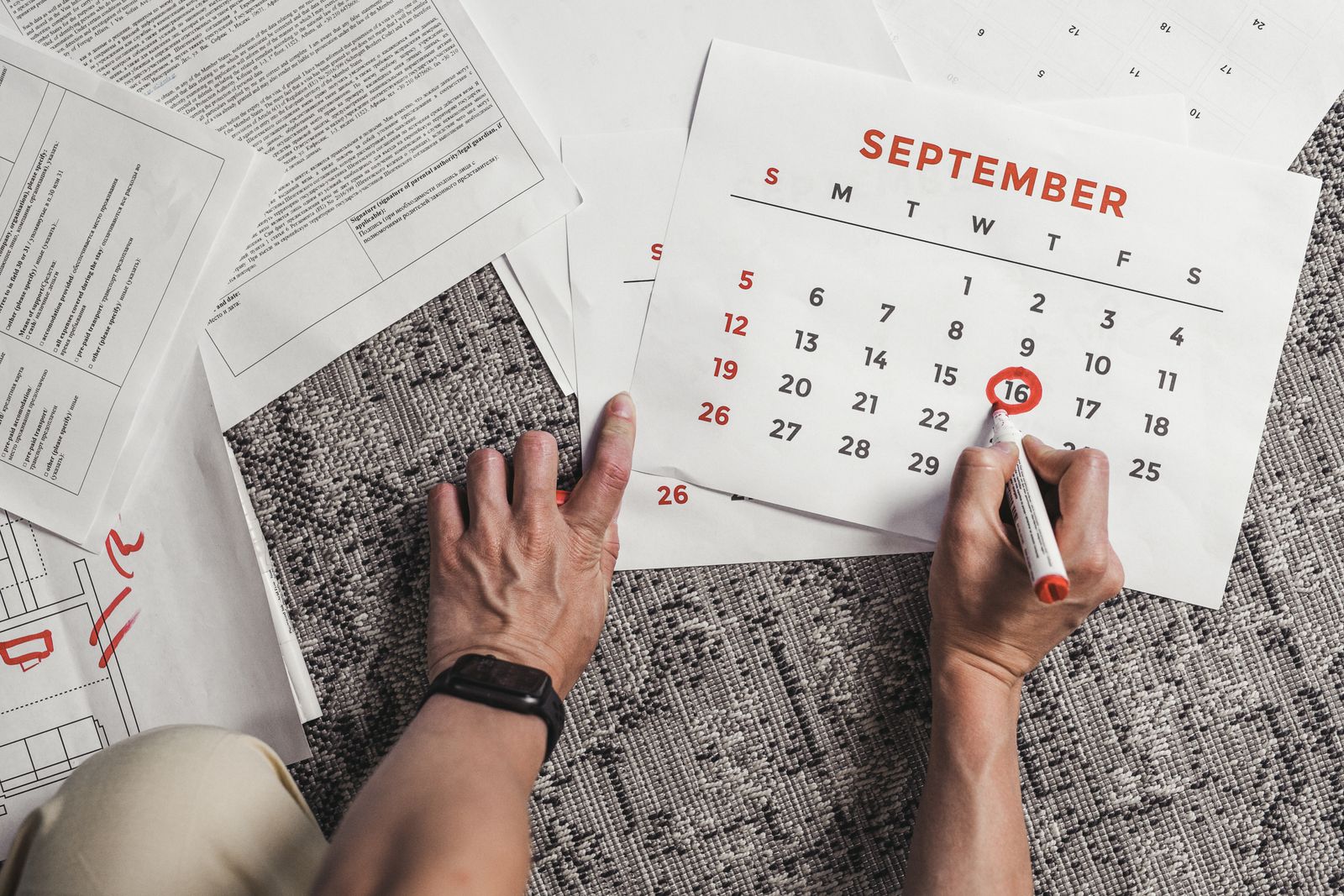
Couples can carry a surprising number of possible milestones: birthdays, a wedding anniversary, the day they met, the first date, an engagement, cultural or religious holidays, Mother’s Day or Father’s Day, and dates connected to grief. One partner may assume all are obvious. The other may recognize only birthdays.
Make a shared list. For each date, discuss whether it needs acknowledgment, time together, a gift, a call to family, or no special plan. Keep the list realistic. When every date becomes mandatory and elaborate, celebration turns into calendar administration.
Also discuss dates that may be tender rather than celebratory. The anniversary of a death, miscarriage, medical event, or family rupture may call for quiet support. Ask what would help instead of assuming. Some people want company; others prefer ordinary routine.
Define what “remembering” looks like
One partner may think a spoken “happy anniversary” is enough. The other expected dinner and several hours without phones. Both can honestly say the date was remembered while feeling completely different about the effort.
Use a simple scale:
- Acknowledge: a message, call, or sincere words.
- Make time: a meal, walk, or evening together.
- Plan something: tickets, a visit, a day trip, or an activity arranged ahead.
- Give a gift: only when gifts matter and the budget supports them.
You do not need the same level for every date. A birthday might include a plan, while the anniversary of a first date gets a warm message. Clarity prevents one person from doing elaborate work and silently expecting an equal performance.
Build a reminder system without assigning a parent
The person who cares more about dates should not have to remind, shop, book, and then act surprised. At the same time, calling an adult “hopeless” and monitoring every step creates a parent-child dynamic.
Put recurring events in both calendars. Add one reminder several weeks ahead for planning and another a few days ahead for confirmation. If childcare, travel, reservations, or shipping are involved, work backward from the date. A reminder on the morning itself is too late for anything beyond acknowledgment.
Divide the invisible work. One person can choose the restaurant while the other arranges childcare. For family birthdays, each partner can normally manage their own relatives unless you agree otherwise. Shared calendars should distribute responsibility, not hide it.
Keep celebration separate from spending
A forgotten date sometimes becomes a money fight because the hurt partner asks for a large make-up gesture or the other assumes that celebration means an unaffordable purchase. Talk about the budget before choosing the plan.
Care can be visible without being expensive: a handwritten note, favorite breakfast, a planned walk, a playlist, looking through old photos, or taking over an unpleasant task so the other person has a free evening. The important part is that the gesture fits the recipient rather than proving how much was spent.
If money conversations already become tense, use the practical approach in talking about money with your partner without fighting. Name the amount available and decide together what belongs in the shared budget.
How to repair the missed date
A rushed bouquet or expensive delivery does not repair much if it arrives with “Can we stop talking about this now?” Repair begins with an apology that names the action and the effect.
Try: “I forgot our anniversary and left you feeling unimportant. I am sorry. I put it in my calendar, but I also want to make time for us this weekend if you are open to that.” The plan does not erase the miss. It shows a willingness to respond.
Avoid excuses disguised as apologies: “I’m sorry you care so much about dates” or “I’m sorry, but work was crazy.” Context can come after responsibility. Our guide to apologizing after a hurtful argument explains the same distinction.
The hurt partner also gets to decline an immediate substitute. Someone may not want a cheerful dinner while still angry. Ask what kind of repair would feel respectful and when they want to revisit it.

When forgetting is part of a larger pattern
One missed date is different from repeated disregard. Look at what happens after the mistake. Does your partner listen, apologize, use reminders, and change the system? Or do they mock your expectations, blame you for not reminding them, promise improvement, and repeat the same pattern?
The date may reveal a broader imbalance if one person remembers every appointment, buys every family gift, plans all shared time, and carries the emotional calendar for the household. In that case, discuss the workload itself. A shared reminder app will not fix a refusal to take responsibility.
If your partner lies about having planned something, changes the story, or hides spending, address that behavior separately. The steps in rebuilding trust after lying apply only when the person who lied is willing to be honest and accountable.
What if dates genuinely do not matter to one partner?
They do not have to feel the same emotional attachment to a birthday or anniversary. They do need to take seriously that the date matters to the person they love. Relationships often involve caring about something because of what it means to the other person.
The partner who values dates should also avoid demanding a performance that ignores the other person’s limits. Someone who hates parties may offer a quiet dinner. Someone with little money may write a note. The form can be negotiated without dismissing the need.
A workable agreement sounds like: “Anniversaries are important to me, and big surprises make you anxious. Let’s choose a date activity together each year, and you handle the card without me reminding you.”
When counseling may help
Couples counseling may help when missed dates repeatedly trigger contempt, withdrawal, old betrayals, or fights about unequal emotional labor and both people can participate freely. A therapist cannot force care, but they may help the couple identify the pattern and make specific agreements. If cost is a barrier, review these free and lower-cost couples counseling options.
If forgetting is accompanied by intimidation, isolation, threats, financial control, or fear of retaliation, prioritize confidential individual support and safety planning rather than a joint celebration agreement. Contact a local domestic violence service or emergency service when appropriate, and use a safer device if communications may be monitored.
FAQ
Does forgetting an anniversary mean my partner does not love me?
No single event proves what someone feels. Look at the explanation, the response to your hurt, and whether the person takes practical steps to prevent a repeat. Repeated dismissal is more concerning than an isolated memory failure followed by real repair.
Should I remind my partner about my birthday?
You can discuss plans without giving up all responsibility. Put the date in a shared calendar, state what kind of celebration matters to you, and ask your partner to own specific parts of the plan.
Is an anniversary gift required?
No. Gifts are one possible form of acknowledgment. Time, words, a shared activity, or a thoughtful act may matter more. Agree in advance so neither partner mistakes a different tradition for indifference.
What should I do on the day if my partner forgot?
Say what happened rather than waiting for a test to finish: “I think you forgot my birthday, and I am hurt.” Decide whether you want space, a conversation, or a simple plan for later. You do not have to stage a celebration while upset.
How many reminders should we use?
Use enough lead time for the expected plan. One reminder two to four weeks ahead and another several days ahead works for many couples. The system matters less than whether the responsible person follows it.
Make care visible before the date arrives
Birthdays and anniversaries become easier when the rules are no longer secret. Name the dates that matter, describe the kind of acknowledgment you value, set a budget, and put planning reminders where both people can see them.
Memory is unreliable. A caring system is allowed to be ordinary. What matters is that each partner takes the other’s meaning seriously and follows through without turning celebration into a test, a debt, or a punishment.