

Quick answer: If your partner uses all the hot water, first confirm when the shortage happens and which activities are drawing from the same tank. Agree on shower order, start times, and a reasonable target length for busy mornings. Move laundry or dishwasher cycles away from that window when possible. If the water suddenly runs cold sooner than it used to, check the heater or call a qualified professional rather than assuming your partner caused the whole problem.
You step into the shower with twelve minutes before you need to leave. The water is warm for perhaps thirty seconds, then turns cold. Your partner has just finished a long shower and says they did not realize the tank would run out. You are wet, late, and not interested in a calm discussion about plumbing.
The immediate frustration is real. Still, “you used all the hot water” can hide several separate problems: competing schedules, an undersized tank, simultaneous appliance use, a maintenance fault, or two very different ideas of how long a shower takes. Separate those problems before you decide that one person is selfish and the other is impossible to please.
Handle the cold shower before the relationship argument
When the water goes cold, solve the next ten minutes first. Tell your partner what happened without opening a history of every inconsiderate thing they have ever done. “I have no hot water and need to leave by eight” is enough. Ask whether anything else is running, then decide whether you can wait for recovery, use another bathroom, wash at the sink, or adjust the departure plan.
Avoid retaliation. Turning off the water while your partner is showering, changing the temperature at the heater, or starting an appliance to make a point can cause burns, falls, or equipment problems. It also converts an annoying routine conflict into a safety issue.
Come back to the conversation when both people are dressed and no one is racing the clock. The goal is not to prove that a cold shower is unpleasant. The goal is to prevent tomorrow’s version of it.
Map where the hot water goes
For two or three days, note when showers start and end and whether the dishwasher, washing machine, bathtub, or another shower runs nearby. You do not need a surveillance spreadsheet. A short record can show whether the tank is depleted by one long shower or by several demands landing in the same half hour.
Include the less obvious uses. Someone may rinse dishes, wash their hair twice, shave under running water, fill a tub, or leave the shower warming while choosing clothes. None of those details makes them a bad partner. They do affect the amount available to the next person.
Ask how long the water normally takes to recover. Tank size, heater type, incoming water temperature, thermostat setting, and equipment condition all matter. A household that worked with staggered schedules may struggle once both partners need to leave at the same time. Treat the system’s limits as shared information, not ammunition.
Agree on shower order before morning
Choose the order the night before, especially when one person has a fixed departure, an early meeting, childcare duties, mobility needs, or a medical routine. “Whoever gets there first” sounds fair until one person starts setting an earlier alarm simply to secure warm water.
Fixed obligations can decide the first shower. If both schedules are flexible, alternate who goes first by day. Another option is to let the person with the shorter routine start, provided they actually finish at the agreed time. Fair does not have to mean identical; it should mean both people can reliably meet their needs.
Build in a small recovery gap if your heater needs one. The first person might shower at 6:45 and the second at 7:15. Use that gap for breakfast, packing lunches, or getting dressed. If the gap makes someone late, the household needs a different plan rather than another lecture.
Set a usable time target
“Take a shorter shower” is too vague. One partner may think fifteen minutes is short while the other means five. Agree on a target for high-demand mornings and leave longer showers for times when nobody is waiting.
Keep the agreement realistic. Washing long or textured hair, managing a disability, caring for a wound under professional guidance, or assisting a child may take more time. Ask what the routine includes before treating every extra minute as indulgence. A timer can help if the person using it agrees; it should be a cue, not a device for policing someone through the bathroom door.
Try reducing the time the water runs rather than rushing every task. Turn it off while applying certain products if that is safe and practical. Do shaving, skincare, or hair styling at the sink or after leaving the shower. Put towels and clothes within reach so the water is not running while someone searches the house.
Move appliance use out of the rush window
A dishwasher or hot-water laundry cycle may be drawing from the same supply just as the second person steps into the shower. Schedule those appliances after both showers or overnight if the manufacturer and household safety practices allow it. Check appliance settings because many modern machines heat some or all of their own water, while others depend more heavily on the home’s supply.
Give the person starting an appliance ownership of the timing. “No dishwasher between 6:30 and 8:00 on weekdays” is clearer than expecting everyone to remember whether somebody might shower soon. If your schedules vary, use a simple message: “I am starting laundry at seven. Do you need hot water first?”
This is ordinary household coordination, much like assigning a complete task instead of waiting for one partner to notice it. Our guide to dividing household chores without resentment can help when the hot-water dispute is part of a wider argument about who plans, notices, and follows through.
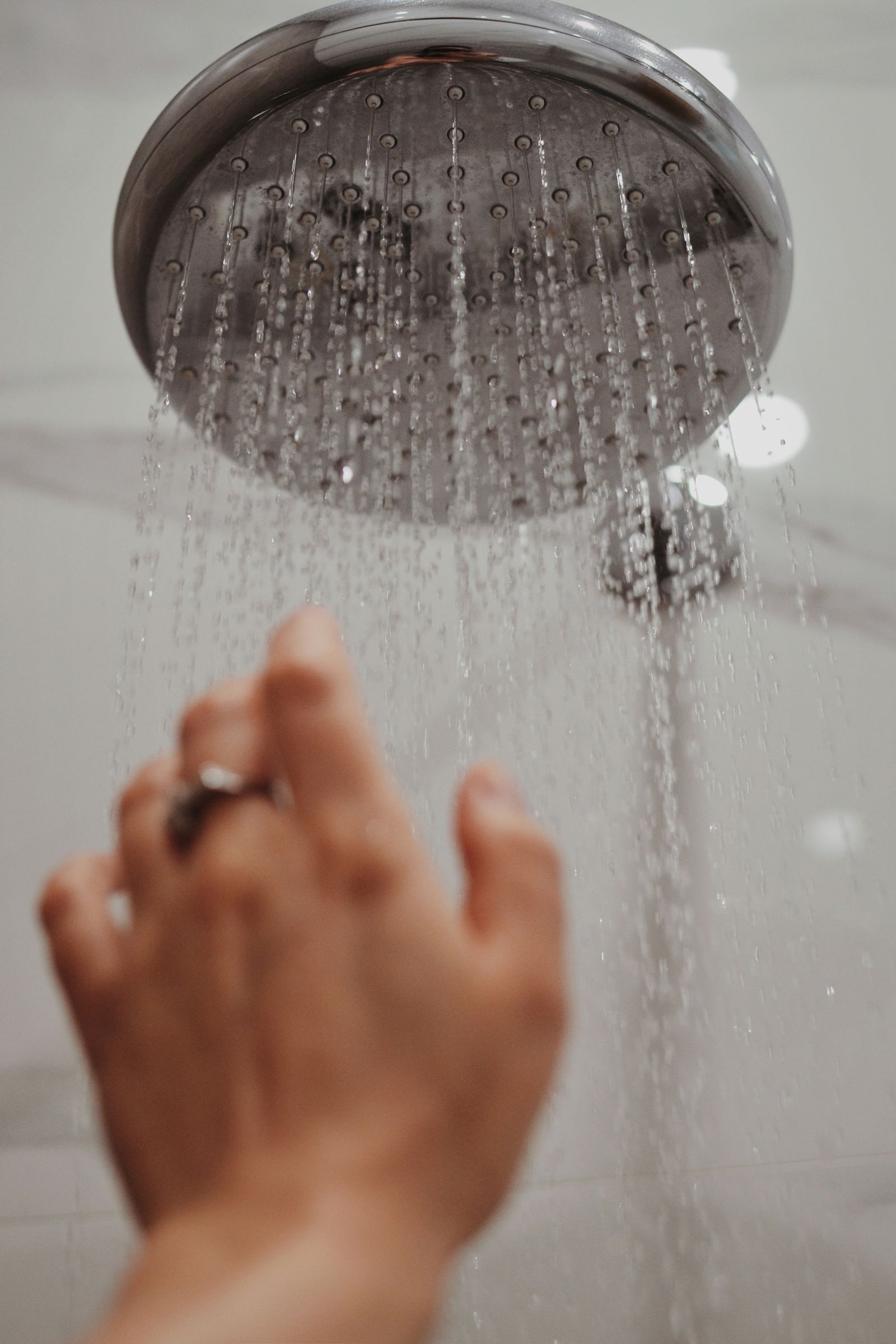
Check the equipment when the pattern changes
If the household suddenly gets less hot water under the same routine, do not keep blaming shower length. A heating element, burner, thermostat, dip tube, mixing valve, sediment buildup, leak, or another component may need attention. The exact possibilities depend on the system.
Do not remove covers, alter gas controls, raise temperature settings, or attempt electrical work unless you are qualified to do so. Hot water can scald, and water heaters involve electricity, gas, pressure, or combustion risks. Follow the manufacturer’s documentation and use an appropriately licensed plumber or technician when inspection or repair is needed.
A leak, unusual noise, discolored water, gas odor, error code, visible corrosion, or repeatedly tripped breaker deserves prompt attention. If you smell gas or suspect an immediate hazard, leave the area as appropriate and contact the relevant emergency or utility service. A relationship conversation cannot repair unsafe equipment.
Discuss cost without inventing a number
Long showers may affect water and energy bills, but the amount varies by local rates, flow rate, temperature, heater efficiency, and fuel. Look at actual statements and compare similar billing periods. Do not assign a dramatic dollar figure to one shower without evidence.
If cost is the concern, agree on a household target and decide how you will measure it. You might shorten high-demand showers, repair a leak, install an appropriate efficient fixture, or shift appliance timing. Review the next bill together. A practical change is easier to evaluate than an accusation about who “doesn’t care about money.”
For a broader spending disagreement, use the process in our article on talking about money with your partner without fighting. Keep the hot-water numbers separate from judgments about generosity, responsibility, or love.
Make room for temperature and sensory differences
One partner may prefer a long, hot shower to loosen stiff muscles, warm up after outdoor work, decompress, or manage a sensory routine. The other may find very hot water uncomfortable and see the extra use as needless. Ask what the shower is doing for each person.
An explanation is not an unlimited claim on a shared resource. It does help you find alternatives. A longer shower might move to the evening. The waiting partner might shower first on workdays. A safe bathroom heater, warm robe, or different schedule may meet part of the comfort need without emptying the tank before a deadline.
If pain, dizziness, skin symptoms, circulation concerns, or another health issue affects showering, seek individualized advice from an appropriate licensed healthcare professional. A partner should not diagnose the need or demand a treatment based on an argument about the utility bill.
Use one request instead of bathroom commentary
Make the request specific: “On weekdays, can you finish your shower by 7:05 and avoid starting the dishwasher until I am done?” Your partner can agree, explain a conflict, or suggest another schedule. “Stop being so selfish in the shower” offers no clear finish line.
Do not stand outside timing every minute, bang on the door, or make jokes about hygiene. If you agreed on a timer, let the timer do the reminding. If the plan fails, discuss that event later: what ran long, what the next person lost, and what needs to change.
If repeated reminders have made one person feel like the household manager, our article on addressing chronic lateness without parenting each other offers useful language for deadlines and consequences. The details differ, but the central move is the same: use agreed times and let each adult own their part.
Know when the problem is bigger than the water tank
Most hot-water disputes are routine coordination problems. A missed agreement can still be frustrating, but it does not automatically prove contempt or abuse. Look at how both people respond after the miss. Can they acknowledge the impact, change the schedule, and try again?
A different concern appears when someone deliberately controls access to bathing, shuts off utilities as punishment, ignores disability or medical needs, threatens a partner for using water, or uses money and household systems to intimidate them. If you feel afraid or believe basic needs are being controlled, seek private support from a qualified local domestic violence service. Contact emergency services if there is immediate danger. Couples counseling is not a substitute for individual safety planning in a coercive or violent situation.
Frequently asked questions
How long should I wait for the hot water to come back?
Recovery time depends on the heater type, tank capacity, energy source, temperature settings, and current demand. Check the manufacturer’s information for your model. If recovery is much slower than normal, arrange an appropriate inspection rather than guessing.
Is it fair to ask my partner to take a shorter shower?
Yes, when you share a limited supply and both need it, but discuss a specific time target and any practical or health needs. Offer scheduling options too. The agreement should give both partners dependable access, not make one person justify every minute in the bathroom.
Should the person with the earliest job always shower first?
An inflexible departure is a reasonable basis for going first, but it is not the only fair arrangement. Childcare, accessibility, sleep, and the length of each routine may matter. Choose a repeatable order and revisit it when schedules change.
Can we solve this by turning up the water heater?
Do not change the temperature casually. Higher settings can increase scald risk and energy use, and they may hide a maintenance or capacity problem. Follow manufacturer guidance and consult a qualified professional for system-specific advice.
What if my partner agrees but keeps taking too long?
Ask what causes the overrun and tighten the plan. Move non-shower tasks out of the bathroom, set an agreed cue, change the order, or move longer showers to another time. If your partner knowingly ignores every agreement, talk about follow-through directly rather than arguing through the closed door.
Try a one-week hot-water plan
For the next seven days, write down the shower order, start times, and the period when appliances stay off. Choose a target shower length that accounts for each person’s actual routine. If the supply still runs cold, record what was running and when, then check the equipment instead of stretching the argument.
At the end of the week, ask what worked and what caused the scramble. Keep the simplest version that gives both people a warm shower and a predictable departure. A good plan should quickly become unremarkable. Nobody guards the bathroom, nobody starts the day furious, and the water heater stops carrying the emotional weight of the whole relationship.