

When online couples therapy disconnects, pause the conversation and follow the backup plan agreed with your therapist. Decide in advance who will call whom, how each partner will rejoin, and when a failed connection means ending the appointment. Switching to a phone call is an option to discuss with the practice, not something to assume will always be appropriate.
A frozen screen can arrive at an awkward moment: one partner has just described feeling alone, and the other disappears from the call. Silence may feel like rejection even when the problem is a dropped connection. A clear plan gives everyone a way to respond without guessing why someone vanished.
This guide offers general educational information about interrupted video appointments. Your clinician should set the procedures for your particular treatment and any emergency response.
Agree on the backup before the first interruption
Ask about connection problems while arranging the appointment, rather than waiting until someone has lost sound. The therapist may have a written procedure or platform instructions. Make sure both partners receive them, especially if you join from different homes.
You might ask: “If one of us drops off, should we try the same link again, or wait for your call? Which number will you use?” Confirm whether the clinician can contact each partner separately if needed. A shared household number may be unhelpful when partners are attending from separate locations.
Agree on a reasonable reconnection window with the therapist. There is no universal waiting period that every practice follows. Save the office number somewhere you can reach without reopening the failed video app, and ask whether that number accepts calls during appointments.
Pause the relationship conversation when someone disappears
If one partner loses connection, stop discussing the sensitive topic until the therapist explains what happens next. Continuing while that person cannot hear can leave them uncertain about what was said. The therapist may need a brief safety check with the person still online; that is different from carrying on the joint discussion without the absent partner.
Use neutral language: “The screen froze. Let’s wait for the reconnection plan.” Avoid deciding that the partner hung up deliberately. If leaving the call intentionally is a recurring concern, bring that pattern to the therapist once everyone is present and able to participate.
If you are both in the same room and the therapist disconnects, consider pausing the difficult conversation rather than trying to finish it yourselves. You can say, “I want to come back to this with support when the connection is restored.” If taking a pause is unsafe because of threats or retaliation, seek individual safety support instead of relying on a shared agreement.
Check what a phone backup would actually involve
An audio call may let an appointment continue, but the clinician needs to decide whether it is suitable. Ask how both partners would join and whether the practice permits that format for your situation. Do not move a clinical session to an unfamiliar social app simply because it happens to work.
Privacy still matters after a video failure. A speakerphone in a kitchen where relatives can overhear is not equivalent to a private room. Headphones reduce what others hear from the device, but they do not stop people nearby from hearing your voice. Tell the therapist if you cannot speak freely.
If either partner has traveled, confirm the physical location with the clinician before continuing. The considerations in our guide to couples therapy in different states still apply to a backup call. A change of device does not settle questions about where care can be provided.
Try a few practical connection checks
Before the next appointment, use the platform’s test function if it has one. Check the microphone permissions and make sure the device has power. If you know that large household downloads disrupt calls, arrange to pause them during the appointment when possible.
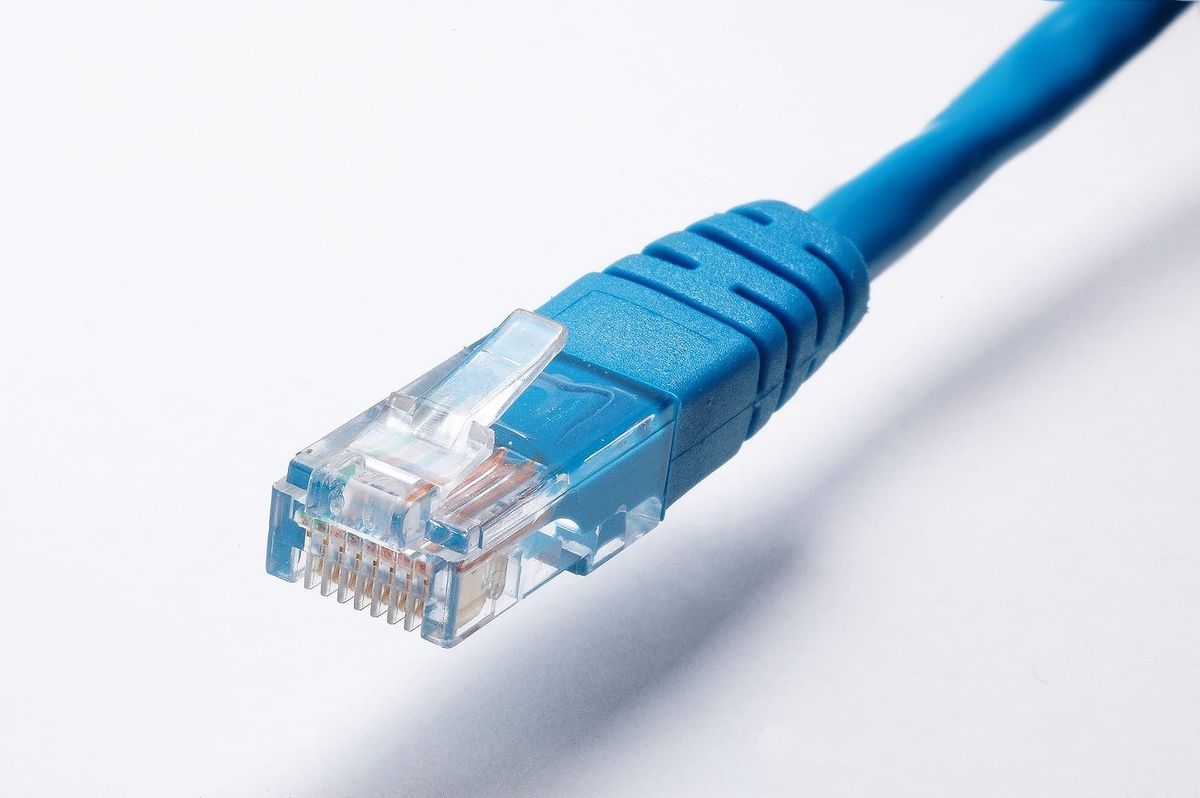
A wired Ethernet connection may be worth testing if your device supports it and the problem appears to be Wi-Fi. It will not fix every outage, including a problem with the provider’s platform or your internet service. You do not need to buy new equipment before asking the practice for basic troubleshooting advice.
During an interruption, follow the agreed instructions instead of repeatedly switching devices or opening competing calls. For some platforms, rejoining the original link is enough; others may require a new invitation. If you need accessibility support or have limited data, tell the practice so the backup does not depend on a device or service you cannot use.
Ask about lost time and fees without assuming the answer
Some interruptions resolve quickly. Others use up most of the appointment. Ask whether the practice extends the session when possible, reschedules it, or applies its usual fee. Policies may depend on the circumstances, and an internet failure does not automatically guarantee a refund.
Keep the billing question factual: “We could only hear one another for part of the appointment. How does your policy handle that?” Our guide to couples therapy cancellation policies covers related questions, but a disrupted session may have a separate policy.
If repeated outages prevent useful appointments, ask about another approved format or an in-person option. The right response may be a different arrangement rather than spending every week troubleshooting the same fault.
Keep an emergency plan separate from ordinary troubleshooting
A disconnected call during an immediate safety concern needs a different response from a routine frozen screen. The U.S. Department of Health and Human Services recommends that telebehavioral health providers document the patient’s current location and local emergency resources, along with a plan for disconnection during an emergency. Its telehealth emergency planning guidance also addresses local support contacts.
Ask the clinician how this will work for both of you, particularly when you attend from separate places. Confirm who can be contacted and under what circumstances. A partner should not automatically be treated as a safe emergency contact.
If there is immediate danger, contact emergency services where you are rather than waiting for a video link to recover. In the United States, call or text 988 for suicide or mental health crisis support. If a partner threatens you, monitors your device, or prevents you from leaving, seek confidential individual support; joint counseling may not be appropriate. From a safe device, you can contact the National Domestic Violence Hotline at 800-799-SAFE (7233). Outside the U.S., use local crisis and domestic abuse services.
Questions couples often ask
Should the therapist keep talking with my partner if I lose connection?
Ask how the therapist handles this before it happens. A brief logistical or safety check may be necessary. Sensitive joint discussion can usually wait until everyone can hear, unless the clinician identifies an urgent concern that requires a different response.
Can we just finish the session by text?
Do not assume so. The practice may use messages only for logistics, and text may be unsuitable for the clinical conversation. Ask which communication methods are approved and what to do if neither video nor the planned phone backup works.
What if the session ends while we are upset?
Follow the closing or follow-up instructions you agreed with the therapist. If it is safe, postpone the unfinished argument and arrange a calmer transition. Our article on arguing after couples therapy covers planning that period without requiring an immediate debrief.
Bring one practical question to your next appointment
Ask: “Can we write down what each of us should do if the call disconnects?” A usable answer names the reconnection method and explains when to stop trying. It also makes room for privacy limits and a separate emergency procedure, so neither partner has to improvise during a difficult moment.