

If your partner opens your mail without asking, you can set a boundary even if you share a home, expenses, or a surname. Ask them to leave letters addressed only to you unopened unless you have given specific permission. Then agree on how you will handle joint bills and urgent-looking envelopes without making either person the gatekeeper of the other’s correspondence.
A medical letter arrives already slit open. Your partner says they were sorting the bills and assumed you would not mind. You may appreciate the help and still feel exposed. Those reactions can coexist. What matters next is whether your partner can respect a clear request and whether you can keep access to your own information.
Start by separating a mistake from an ongoing pattern
Someone can open the wrong envelope while moving through a pile of nearly identical letters. An accidental opening followed by an apology calls for a different response from repeated searching after you have said no. Look at what happened before deciding how to address it.
Did your partner notice the error and hand the letter over? Did they photograph it, question you about its contents, or hide it? Have you previously agreed that either person can open utility bills? Be precise about those distinctions. You do not have to diagnose your partner’s motives to say what access you have and have not authorized.
If the issue is that shared bills sit untouched, rather than that private mail is being opened, the site’s guide to sharing household paperwork and deadlines addresses that separate problem.
Say which mail needs permission
Choose a time when you can speak safely and are not rushing out the door. Name the event and make a request that someone can follow.
“The letter from my clinic was addressed to me, and I found it open on the counter. I need letters with only my name on them to stay sealed. Please put them in my tray and ask before opening anything for me.”
You do not need to give a long explanation of the medical appointment or prove that the contents were harmless. The request concerns access. If the letter raises a separate issue affecting shared finances, you can discuss that issue without agreeing that all future correspondence is available for inspection.
Keep permission narrow
“Please open today’s electricity bill and tell me the amount” is different from “You can open anything that arrives.” Make the scope clear when you ask for help. If you will be away, specify which senders or types of letter your partner may open and when that arrangement ends.
Past permission can also change. Someone who previously welcomed help with all the mail may now want to read medical or work correspondence privately. Discuss the new arrangement rather than treating an old habit as permanent consent.
Give personal mail a predictable place
A useful household setup needs very little equipment. You might use a tray for each person and a folder for joint bills. Whoever collects the mail can sort envelopes by the name on the outside, without opening them to determine their importance.
Agree that sorting does not include throwing away another person’s sealed letters. An envelope that looks like advertising can still matter to its recipient. If piles become a problem, set a time to clear your own tray instead of handing the other person authority to discard it.
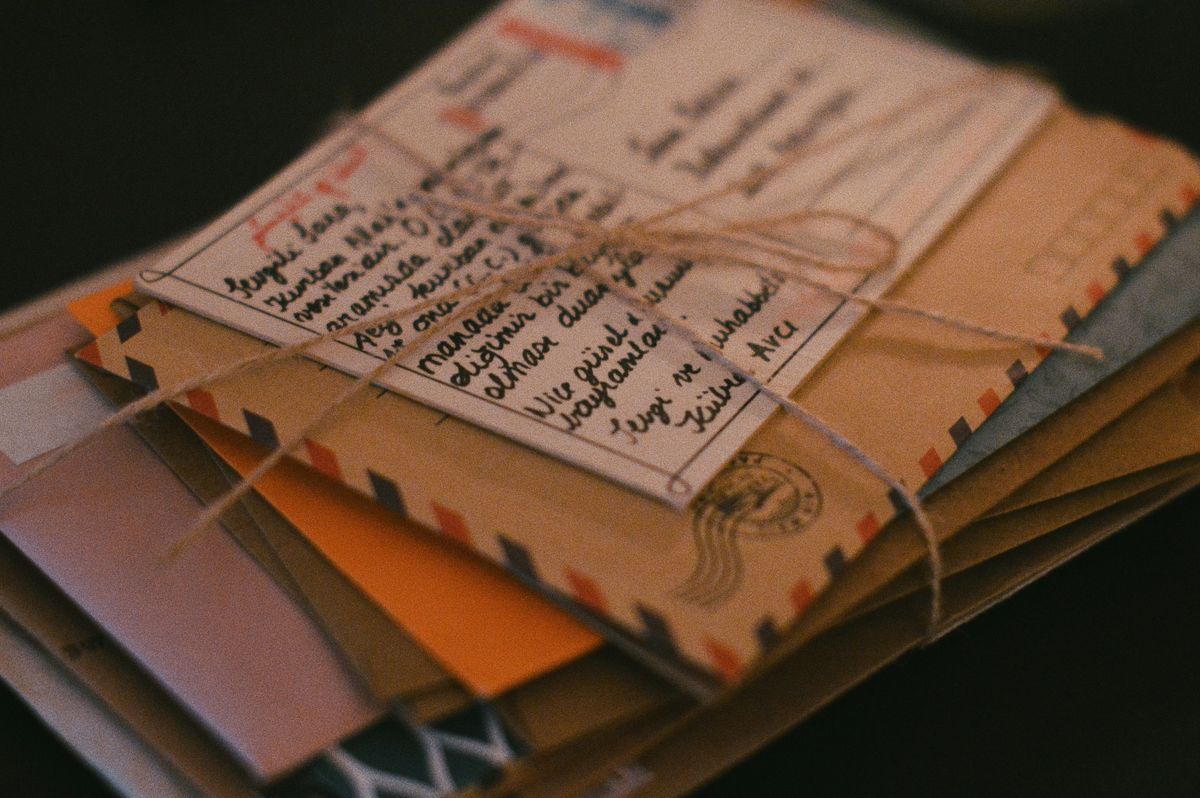
Handle joint bills explicitly
Some envelopes are addressed to both partners; others go to the person named on an account even though both contribute to the expense. Agree which bills either person may open. Then decide how the other person sees the amount and due date.
For example, you might agree that either partner can open the monthly water bill, but personal bank statements remain with the named account holder. Your arrangement should fit your actual accounts. The goal is reliable access to shared obligations without an automatic right to inspect every personal document.
Agree on urgent-looking letters
If a letter appears time-sensitive, the first step can be a message: “An envelope from your insurer arrived. Would you like me to open it, or leave it sealed?” A short question often resolves the practical concern without guessing at consent.
Plan ahead for travel or illness if missed correspondence could cause problems. Account permissions, postal services, and legal authority differ by location and circumstance. Ask the relevant organization what authorization it requires instead of assuming that being a spouse or partner is enough.
If your partner says, “We should have no secrets”
You can be honest about a relationship while retaining personal correspondence. A letter may contain a friend’s private news, confidential work details, or health information you want time to process before discussing. Your partner’s wish for reassurance does not settle who may open it.
Try: “I will talk with you about bills that affect both of us. I still want to open letters addressed to me myself.” If the conversation moves to suspicions about betrayal, address those concerns separately. Repeated inspections are not an agreement simply because one person believes they are justified.
Where the same disagreement extends to devices, see the guide to text-message privacy boundaries. Physical mail also needs its own plan, especially when original documents or deadlines are involved.
If you were the person who opened the letter
Return the complete letter promptly. Say what you did without making your partner defend their discomfort. If it was an accident, explain briefly and offer a practical change.
“I opened your letter while sorting the pile. I should have checked the name first. I will put mail addressed to you in your tray from now on.”
If you deliberately opened it because you were worried, acknowledge that choice rather than calling it an accident. Do not circulate the contents or keep photographs without agreement. Ask what repair would be useful, understanding that an apology does not require immediate forgiveness. The site’s guide to apologizing after a hurtful argument offers help with taking responsibility without restarting the dispute.
When withholding mail becomes a safety concern
A household sorting disagreement is different from someone hiding bank statements, destroying benefit letters, intercepting replacement cards, or preventing you from receiving medical information. Restrictions on access to money and documents can be part of coercive control. The National Domestic Violence Hotline’s explanation of financial abuse describes how control over finances can restrict a partner’s independence.
If you fear retaliation, you do not have to confront your partner or announce changes to where your mail goes. A domestic abuse advocate can discuss options that fit your circumstances. New postal arrangements, account notices, or online searches may be visible to someone monitoring you, so seek help through a safer device or location when possible.
In the United States, contact the National Domestic Violence Hotline at 800-799-7233 or text START to 88788. Outside the United States, use a local domestic abuse service. Contact local emergency services if you are in immediate danger. Joint counseling may be unsafe where coercive control or abuse is present; individual specialist support is a more appropriate starting point.
Questions couples often ask about mail privacy
Is opening a partner’s mail illegal?
That depends on the jurisdiction, the circumstances, and any authorization involved. This article offers relationship guidance, not legal advice. If mail is being intercepted, destroyed, or used to access your accounts, ask your postal authority or a qualified local legal adviser about your options.
What if we have always opened each other’s letters?
You can revise that arrangement. State what you want to change and when the new rule begins. Discuss any shared bills that still need attention so the privacy change does not accidentally leave an obligation unattended.
Should I open my partner’s mail to make the point?
Retaliation adds another violation and may expose someone else’s confidential information. Keep your own conduct consistent with the boundary you are requesting. If your partner continues after a clear request, consider outside support rather than escalating the inspection.
Make one agreement you can use tomorrow
If it is safe to have the conversation, agree where personal letters will go and which shared bills either person may open. Put that rule into practice with the next delivery. A workable outcome is simple: each person can receive their own correspondence, and the household’s bills still get handled.