
Quick answer: To ask for alone time without making your partner feel rejected, explain what the time is for, say when you expect to reconnect, and make the request specific. “I need an hour to decompress after work, then I want to eat dinner together” is easier to hear than “Leave me alone.” Your partner can still have feelings about the request. The aim is not to prevent every uncomfortable reaction, but to make space without withdrawing affection or abandoning shared responsibilities.
You come home after a noisy day and want silence. Your partner has been waiting to talk. You say, “I need some space,” and their face changes. You meant, “My brain is full.” They heard, “I do not want you.”
That misunderstanding is common because alone time and closeness can carry different meanings for each person. One partner may use solitude to settle down and return more present. The other may experience an unexpected retreat as distance, punishment, or a warning that something is wrong. Neither response automatically makes someone needy, cold, or incompatible.
Why asking for alone time can feel personal
A request for space rarely arrives without context. If the relationship has felt tense, if one person has been unavailable for days, or if earlier conflicts ended in silence, “I need time alone” may sound loaded. The listener reacts to the history as well as the sentence.
Timing matters too. Asking for an evening alone after canceling two plans together is different from taking thirty quiet minutes after work. So is asking during an argument and refusing to say when you will return. The same words can describe healthy self-regulation or a way of avoiding the relationship. The pattern tells you more than the phrase.
Alone time is not the same as rejection
People differ in how they recover energy. Some want conversation, touch, or company after stress. Others need less input before they can engage. Solitude can include reading, exercising, walking, playing a game, working on a hobby, or simply sitting in a quiet room.
Time apart can support a relationship when it is voluntary, predictable, and balanced with dependable connection. It becomes painful when one person disappears, leaves the other to manage everything, or uses distance to force an apology or compliance.
The fear underneath the reaction
If your partner looks hurt, ask what the request means to them. They may worry that you are angry, losing interest, avoiding a difficult subject, or choosing everyone else before them. Do not argue with the feeling by repeating, “This has nothing to do with you.” Give information that answers the fear.
“I am not pulling away from us. I have had people talking at me all day and need forty minutes without conversation. Can we make dinner together at seven?”
That response names the cause, limits the time, and protects a point of reconnection.
How to ask for alone time clearly
Make the request before you are at your limit
Waiting until every sound irritates you makes a harsh delivery more likely. Notice earlier signs: you are answering in one-word replies, struggling to follow the conversation, or feeling an urge to snap over a small question. Ask while you can still speak kindly.
If this happens most days, build the quiet period into your routine. A predictable transition after work feels less like a sudden rejection. Couples with opposite routines may find useful ideas in our guide to staying connected with different sleep schedules.
Say what you need instead of criticizing your partner
“You never stop talking” describes your partner as the problem. “I need thirty quiet minutes before I can listen well” describes your capacity and a workable request. Keep the explanation honest and short. A five-minute defense can make the request sound like an indictment.
Try this structure:
- Name your current state: “I am overloaded and having trouble focusing.”
- Ask for a concrete amount of time: “I need an hour by myself.”
- Name the reconnection point: “I will meet you in the kitchen at six-thirty.”
- Protect anything urgent: “If the school calls, come get me.”
Be specific about time and place
“I need space” can mean ten minutes, an entire weekend, or the end of a relationship. Remove the guesswork. Say whether you want the bedroom to yourself, plan to go for a walk, or would like a quiet evening with a check-in before bed.
A return time is especially useful when one person becomes anxious around distance. Keep it. If you need longer, send a brief update rather than letting the deadline pass in silence.
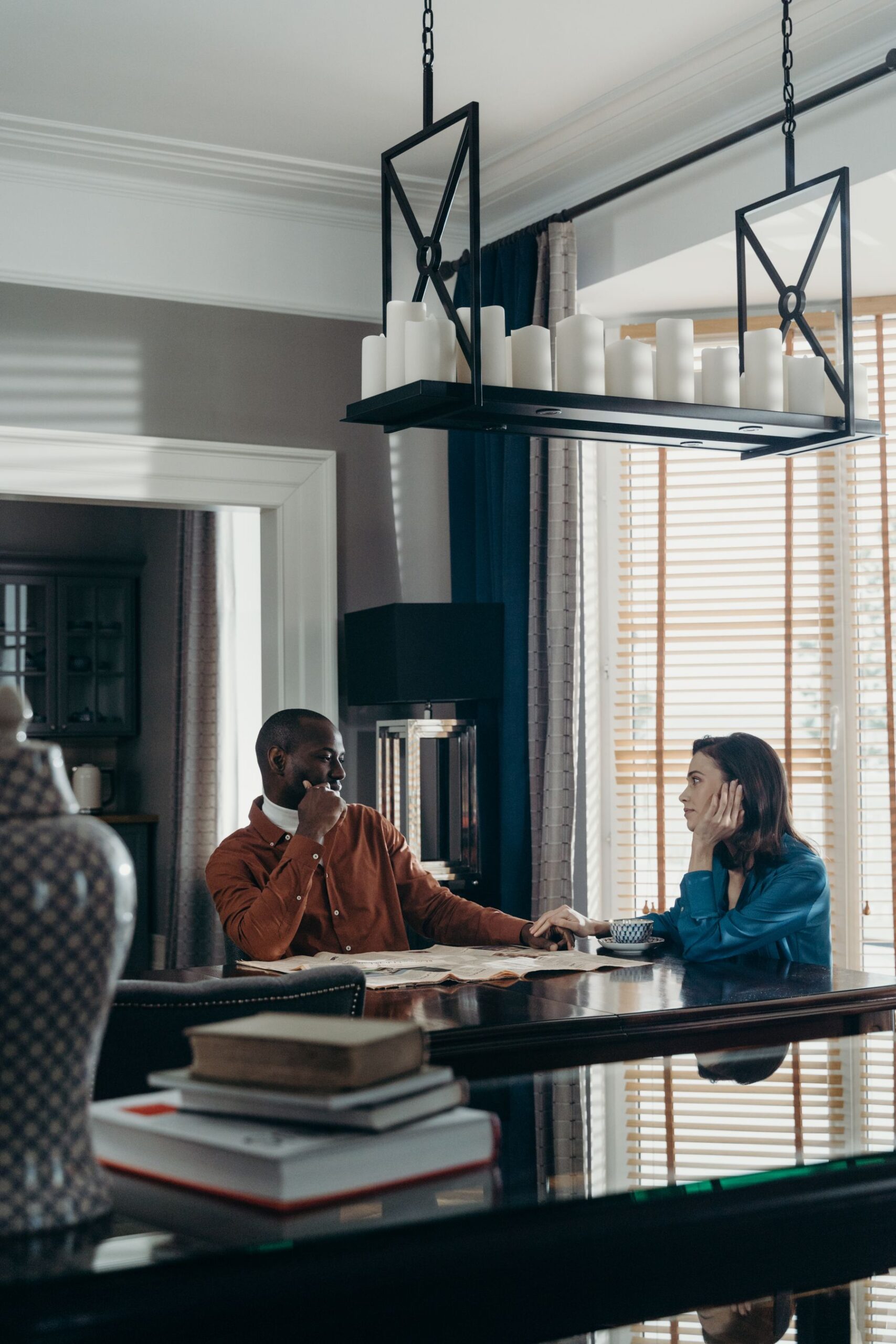
How the other partner can respond
You do not have to pretend the request feels good. You can respect the boundary and still ask for reassurance or practical clarity.
“I can give you an hour. I notice I am worried because we have barely talked this week. Can we protect twenty minutes together afterward?”
This response makes room for both needs. It does not demand immediate closeness from someone who is overloaded, and it does not erase the listener’s concern.
Do not chase an answer through the closed door
Repeated texts, questions, or attempts to restart the conversation can turn a short pause into the pursuer-distancer cycle. The more one person presses, the more the other retreats. Agree on the return time, then let the pause be a pause.
If your partner repeatedly fails to come back, address that later. Respecting a request for space does not require accepting indefinite avoidance.
Ask for connection in concrete terms
“You never want to be with me” is hard to answer. “Can we take a walk after dinner twice this week?” creates a plan. If you have started to feel more like housemates than partners, the broader issue may need attention. Our article on what to do when a marriage feels like roommates separates routine fatigue from deeper disconnection.
Build a personal-space agreement before the next conflict
A calm conversation works better than negotiating while one person is already heading for the door. Compare what solitude and connection look like for each of you.
- How do you know you are becoming overloaded?
- How much quiet time usually helps?
- What reassurance makes space easier to give?
- Which responsibilities still need coverage?
- How will you signal that you are ready to reconnect?
The agreement does not need equal hours. One partner may enjoy a solo Saturday morning while the other prefers shorter daily breaks. Fairness means both people have reasonable access to rest, friendship, hobbies, and dependable time together.
Protect shared responsibilities
Alone time is not a pass out of childcare, pet care, household work, or plans you already accepted. If your partner has been carrying the evening alone all week, asking for another unscheduled escape may land badly for good reason.
Trade coverage explicitly: “Could you handle bedtime tonight while I take a walk? I will do bedtime tomorrow and give you the same hour.” The exact exchange can vary. What matters is that personal recovery does not depend on someone else’s invisible overtime.
Schedule connection as carefully as solitude
A relationship cannot run on leftover time. If quiet time always makes the calendar and time together does not, the more connection-oriented partner may reasonably feel deprioritized. Choose small, repeatable points of contact: coffee before work, a phone-free dinner, or fifteen minutes to catch up before bed.
Do not make every reconnection a serious relationship meeting. Sometimes the repair is ordinary: sit together, share a snack, watch something funny, or ask how the day actually went.
When a request for space becomes avoidance
Healthy space has an edge and an end. Avoidance stays vague. Watch the pattern rather than trying to diagnose the person.
The arrangement needs a new conversation when one partner routinely refuses important discussions, vanishes without saying where they are, extends every pause, or returns only when the other drops the issue. A thirty-minute break during conflict can help both people settle. A three-day shutdown used to punish someone is different.
If you agreed to return and did not, acknowledge it directly: “I said I would come back at eight, and I avoided the conversation. That left you waiting.” Our guide to apologizing after a hurtful argument explains how to repair impact without hiding behind intent.
Space should not be used to control
It is not healthy to threaten abandonment, block access to money or transportation, isolate a partner from support, monitor where they go, or demand that they earn normal contact. Those are not communication preferences. If you feel afraid of your partner or believe a request for space may trigger retaliation, prioritize safety and contact a local domestic violence service or emergency resource. Joint counseling may not be appropriate when coercion or violence is present.

What if your needs stay very different?
Different preferences are workable when both people adjust. They become corrosive when one person’s need is treated as the only legitimate one. The solitude-seeking partner may need to offer clearer reassurance and initiate connection. The connection-seeking partner may need to tolerate a defined pause without pursuing immediate relief.
Try the agreement for two weeks, then review what happened. Did the alone time help the person return more available? Did reconnection happen when promised? Did both partners get rest? Did shared work remain fair? Change the plan based on the answers, not on who argued more convincingly.
If every request becomes a fight, a couples counselor can help you identify the cycle and practice a clearer handoff between space and reconnection. You can review free and low-cost couples counseling options while deciding what support fits your circumstances.
Frequently asked questions
Is it normal to want alone time in a relationship?
Yes. Wanting some solitude does not by itself show a lack of love or commitment. The important questions are how the time is requested, whether both people have access to rest, and whether the couple reliably reconnects.
How much alone time is too much?
There is no universal number. It may be too much when shared responsibilities go unmet, one partner feels chronically abandoned, important conversations never happen, or the relationship has almost no chosen time together. Look at the impact and the pattern.
What should I say if my partner takes it personally?
Do not promise that they should feel nothing. Explain your state, reassure them about the relationship, give a clear time frame, and follow through on reconnection. Consistency will usually carry more weight than a perfect sentence.
Can I ask for space during an argument?
Yes, especially if you are too activated to listen or speak respectfully. State how long the pause will last and when you will return. If there is an immediate safety concern, leave the unsafe situation and seek help rather than negotiating a standard time-out.
A request that protects both people
A good request for alone time is clear enough that your partner does not have to guess whether you are coming back. It also respects the fact that closeness cannot be postponed forever. Name what you need, set a realistic boundary, and return when you said you would. Space works best when it leads back to contact, not when it replaces it.