

Bringing notes to couples therapy is a reasonable option if you forget what you wanted to say or find it hard to speak when emotions rise. Ask your therapist how they prefer to use written material. A short reminder can give you a starting point without turning the appointment into a reading of everything that went wrong.
Perhaps you spent the week thinking about a difficult conversation, then sat down in the office and could only remember that things had been tense. Or you arrived with several pages and worried that opening your notebook would make your partner feel ambushed. Both situations are worth discussing with the clinician.
This guide concerns your own reminder notes and session agenda, not the therapist’s clinical records. The suggestions are general educational information, not a treatment plan or legal guidance about privacy.
You do not have to prepare a written account
Notes are optional unless your clinician has requested a particular exercise. You can attend without a list, describe how you are feeling, and ask for help finding a starting point. Being organized on paper does not make one partner more committed to treatment than the other.
In MWR Counseling’s discussion of bringing notes to therapy, Erin Thiemann explains that clients can raise important concerns at the beginning of a session, but do not need to prepare a list every time. That advice addresses therapy generally; your couples therapist may have their own approach to setting a shared agenda.
A useful opening is: “I wrote something because I lose my words here. Could we decide together how to use it?” You are asking for support with participation rather than announcing that your list will control the hour.
Start with the concern you most want help discussing
Choose a manageable focus. A long list of unrelated disappointments can make it hard to know where to begin. If several issues feel urgent, tell the therapist that you need help prioritizing them rather than trying to cover each one before your partner speaks.
You might write: “I want to talk about what happens when our plans change. I get anxious and ask repeated questions. We then argue about my tone, and the original decision gets lost.” This identifies a conversation pattern without assigning a diagnosis or claiming to know the other person’s intentions.
If you are attending for the first time, complete the practice’s requested paperwork separately from your optional reminders. Our guide to couples therapy intake forms explains how individual answers differ from shared administrative details.
Use a brief example rather than a case file
For an everyday disagreement, write down what you remember happening and what you would like help doing differently. A date or short description may be enough to locate the event. You do not need a transcript of every exchange.
Consider this hypothetical note: “On Sunday, I asked about dinner while you were answering work messages. I asked again more loudly, you walked away, and we did not decide what to eat. I want help asking for your attention without repeating myself until I shout.” Your partner may remember that evening differently. The note gives the therapist an example to explore, not an established verdict.
Do not force a symmetrical account when the issue is threats, intimidation, or violence. Someone else’s abusive behavior is not your responsibility to balance with a matching admission. Safety concerns need an appropriate assessment rather than a communication exercise.
A simple personal reminder template
If a blank page feels difficult, use these prompts as a starting point. You can answer in fragments and leave out anything that does not fit.
- What do I want the therapist to know today?
- What recent example helps explain it?
- What did I notice in my own response, if it is safe and relevant to reflect on that?
- What would I like help understanding or trying?
This is an optional preparation aid, not a clinical assessment. A sentence about something that went better can also be useful: “We disagreed about the visit, but this time we returned to the conversation after a break.”
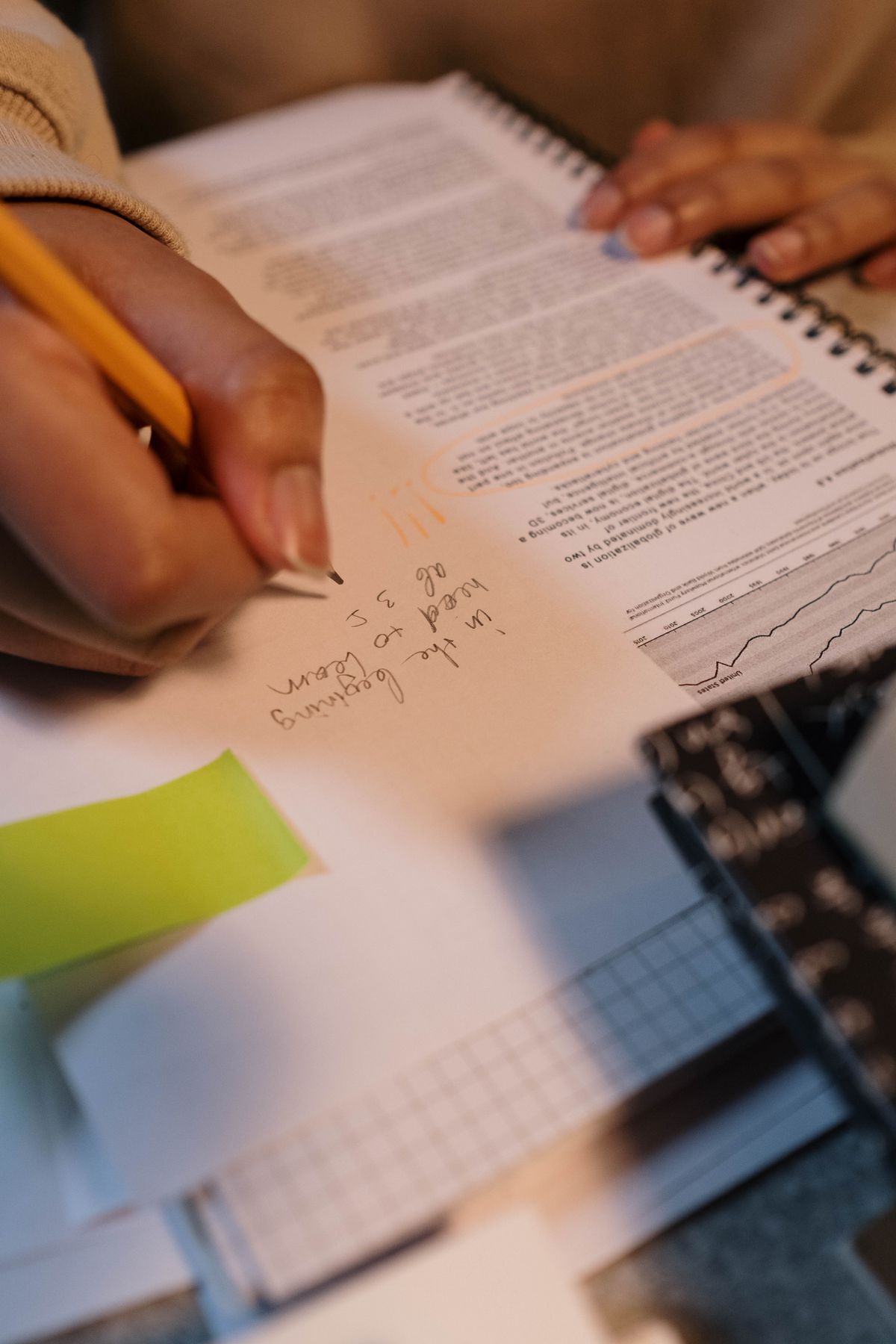
Leave room for your partner’s priorities
You do not have to agree on a single story before the session. If comparing notes starts another argument, bring your own reminders and ask the therapist to help you decide where to start. Do not require your partner to submit their notes for your approval.
At the appointment, you could say: “I hoped to talk about Sunday. I also want to hear what you wanted to bring today. Can you help us choose a focus?” The clinician may recommend a different priority because of something raised during the check-in.
Having more written material does not entitle anyone to more speaking time. If one person reads at length and the other struggles to respond, ask the therapist to help structure the conversation. They may suggest reading one passage, summarizing the rest, or returning to a point later.
Explain when writing is an access need
Written prompts may be especially useful when speech becomes difficult, memory is unreliable, or you need extra time to process a question. You do not need to disclose an entire medical history to ask whether you can read a brief note or bring a communication aid.
Describe the adjustment you need: “When I am upset, I cannot organize a spoken answer quickly. Could I read a few sentences and then take questions?” If writing itself is tiring or inaccessible, ask about alternatives. Our guide to accessible couples counseling covers discussing practical accommodations before booking.
Being unable to prepare polished notes should not become another barrier to attending. Tell the clinician if the preparation takes more energy than you can reasonably give it.
Ask before sending your notes to the therapist
Bringing a page to refer to is different from asking the clinician to read several pages between appointments. Before emailing material, ask which channel to use and whether reviewing it outside the session is part of the service. The practice may prefer a secure portal or ask you to bring the concern to the next appointment.
Also ask what happens to a document you provide. Will it become part of a record? How might it be shared or discussed with your partner? Who can access it? The answers depend on the practice’s policies and applicable rules; do not assume that writing “private” makes a message confidential from the other partner.
Our guide to confidentiality in couples therapy explains questions to ask about information-sharing policies. If you need to raise a safety concern privately, first ask how to contact the clinician safely and what the limits of confidentiality are.
Take notes during the session only in a workable way
Ask whether it is okay to jot down a phrase or an agreed next step. If writing makes you miss the conversation, you might wait until the closing minutes and ask the therapist to repeat the point. Tell your partner what you are noting if they seem unsure why you have opened your notebook.
Distinguish a personal reminder from a recording. Permission to write something down does not establish permission to make an audio recording, photograph someone else’s notes, or use an AI transcription service. Those raise separate consent and privacy questions.
You can ask: “Before we finish, can we check that I understood the plan? I wrote that we will ask before changing a shared commitment. Is that what we agreed?” Checking your understanding is more useful than silently leaving with different versions of the assignment.
Keep preparation from becoming constant monitoring
If you spend the whole week collecting examples against your partner, tell the therapist what is happening. Ask whether a shorter reflection, a different prompt, or a pause in note-taking would better support the work. You do not need to document every disagreement to justify seeking help.
Notes can include uncertainty. “I may be remembering the order incorrectly” is more accurate than presenting a reconstruction as a word-for-word record. Avoid using the notebook later as proof that the therapist agreed your partner was wrong.
If the therapist assigned a specific reflection, follow those instructions or explain why they did not work. Our article on couples therapy homework discusses reporting barriers instead of turning an unfinished exercise into an argument about effort.
Protect safety before protecting the notebook
If a partner searches your belongings, monitors your phone, or threatens you over what you might disclose, do not rely on hiding a written agenda as a safety plan. Joint therapy may be inappropriate when coercive control or abuse is present. Seek confidential individual support about safer options.
In the United States, The National Domestic Violence Hotline provides support and safety-planning information. Consider whether your device or browsing activity is monitored before using online resources. If there is immediate danger, contact local emergency services when it is safe to do so.
Questions about bringing notes to couples therapy
Can I read directly from a page if I freeze?
Ask your therapist. Reading a short passage may be a workable way to begin, and you can explain that speaking without prompts is difficult. The clinician can help decide how to include your partner’s response without rushing you.
What if my partner says my notes are unfair?
Acknowledge that they may remember an event differently, then ask the therapist to help you discuss the example. You do not have to settle whose memory is perfect before describing how something affected you. Threats or pressure to change what you disclose require a safety-focused response.
Do I have to let my partner read my notebook?
Do not assume that attending therapy requires unrestricted access to each other’s personal writing. Discuss boundaries with the clinician and ask how any material you hand over will be treated. Personal privacy and the therapist’s handling of submitted documents are different questions.
What if I arrive without anything written?
Say what you can: “I felt overwhelmed this week, and I do not know where to start.” The therapist can ask questions and help establish a focus. A prepared agenda is an option, not a test you must pass.
A manageable starting point for your next appointment
If notes suit you, write a short reminder about one concern and bring it to the session. Start by asking how the therapist would like to use it. You can then decide on a focus together, with room for a different priority or something you had not planned to say.